FREE CONSULTATIONS 24/7
301-589-9500


Recent Blog Posts
What Gives Police Probable Cause to Make a DUI Arrest in Maryland?
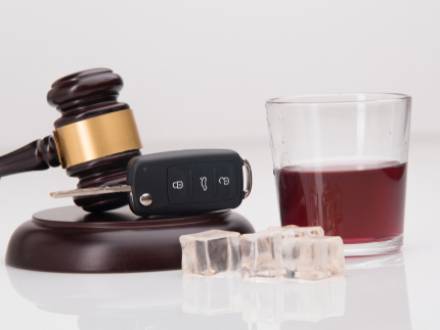 Probable cause for a DUI arrest in Maryland is built from a combination of observations, not one single fact. An officer needs enough specific details to reasonably believe a driver was operating a vehicle while impaired. Those details usually come from how the car was moving, what the officer noticed at the window, and how the driver performed on roadside tests.
If you were arrested for DUI in 2026, our Montgomery County DUI defense lawyers can review whether the officer actually had probable cause.
What Do Police Look for During a Maryland DUI Stop?
Officers build a DUI case in stages, starting with the driving itself, then the conversation at the window, then any roadside testing. The observations that show up most often in reports include:
-
Weaving, drifting across lane lines, wide turns, or driving without headlights
What Defenses Are Available Against Drug Possession Charges in Maryland?
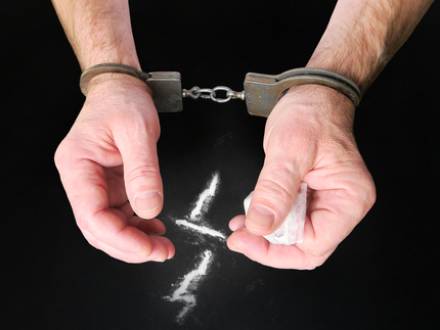 If you are facing a drug possession charge in Maryland, several defenses may apply. These include an illegal search, a lack of knowledge about the drugs, problems with lab testing, or a break in the chain of custody for the evidence. Which defense or defenses your attorney uses depends on the evidence that prosecution has and your goals in the case.
Maryland treats most simple possession charges as misdemeanors, but a conviction can still follow you for the rest of your life. If you are facing a drug possession charge in 2026, our Silver Spring, MD drug crimes defense lawyer can walk you through which defenses may fit your situation.
What Are the Most Common Defenses to a Drug Possession Charge in Maryland?
Under Md. Code, Criminal Law § 5-601, a person may not possess a controlled substance unless it was obtained through a valid prescription or another exception under the law. For example, Maryland law allows adults age 21 or older to possess cannabis within the legal personal use amount.
Can a Prior Out-of-State DUI Count Against You in Maryland?
 A prior out-of-state DUI can count against you in Maryland. Maryland courts generally recognize convictions from other states when determining sentencing enhancements for a subsequent DUI charge. If you're facing a DUI charge in 2026 with a prior conviction from another state, our Montgomery County DUI defense lawyers can help you understand how this might affect your case.
How Does Maryland Treat Out-of-State DUI Convictions?
Under Maryland Transportation Article Section 21-902, a DUI or DWI conviction from another state can count for repeat-offender penalties in Maryland. The out-of-state offense must involve conduct that would also violate Maryland's impaired-driving law.
This means a prior conviction does not simply stop mattering because you moved to Maryland. The exact effect depends on the offense you were convicted of and how it compares with Maryland law.
Is Underage Drinking a Crime or Civil Offense in Maryland?
 Underage drinking in Maryland is generally a civil offense rather than a criminal offense when the alleged violation involves possessing or consuming alcohol while under 21. However, other conduct connected with underage drinking, such as impaired driving or certain offenses involving providing alcohol to minors, can result in criminal charges.
If your child is facing an underage drinking citation or related charge in 2026, our Silver Spring, MD underage drinking defense lawyers can help you understand what type of case they are facing and what options are available.
Is Underage Drinking Ever a Criminal Offense in Maryland?
Under Maryland Criminal Law Article Section 10-114, an individual under 21 generally may not possess, control, or consume an alcoholic beverage. However, a violation of this law is classified as a civil offense rather than a criminal offense. Maryland law also provides that a finding that someone committed this type of Code violation is not a criminal conviction.
Can Passengers Be Witnesses in Your Maryland DUI Case?
 Passengers can be witnesses in your Maryland DUI case. Their testimony can work in your favor or against you. It depends on what they saw and how consistent their account is with the rest of the evidence. If you’re facing a DUI charge in 2026 and have questions about witnesses, our Montgomery County DUI defense lawyers can help you understand how passenger testimony fits into your case. We’ll also help you figure out if it can be used to your advantage.
What Can a Passenger Actually Testify About in a DUI Case?
A passenger who was with you before and during your arrest can speak to things an officer often can't. This includes how much you had to drink, how you were behaving, and how you were driving before you were pulled over. Under Maryland Rule 5-602, a witness generally must have personal knowledge of the matter they're testifying about. This means a passenger can only speak to what they actually observed firsthand.
What Do I Do When I’m Falsely Accused of Rape?
 Being falsely accused of rape is terrifying. Even before any charges are filed, the accusation alone can damage your reputation, hurt your relationships, and turn your life upside down. The law says you are innocent until proven guilty, but a rape accusation carries enormous social weight that can feel impossible to overcome. If you are in this situation in 2026, a Silver Spring, MD sex crimes defense lawyer can step in right away to protect your rights and start building your defense before things go any further.
What Should You Do Immediately After a False Rape Accusation?
The most important thing you can do if you’ve been accused of rape is contact a defense attorney right away. Do not wait to see if charges are filed. Do not assume the situation will go away on its own. An attorney can guide you on every step from this point forward.
Can You Challenge a DRE’s Findings in a Maryland DUI Case?
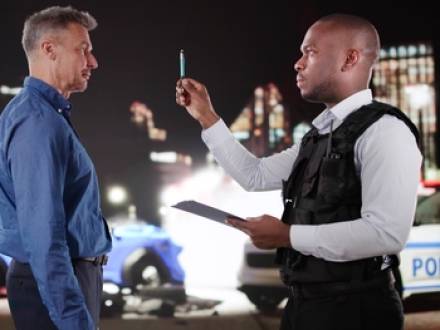 You can challenge a Drug Recognition Expert's findings in a Maryland DUI case, and doing so is often one of the most effective parts of a drug DUI defense. Drug Recognition Expert (DRE) evaluations are presented as scientific and reliable, but they have weaknesses that an experienced attorney can use. If a DRE's findings are being used against you in 2026, the Montgomery County, MD criminal defense lawyers at The Law Offices of Gerstenfield & Demirji, PC. can examine every part of that evaluation and fight to undermine it in court.
What Is a Drug Recognition Expert in a Maryland DUI Case?
A DRE is a law enforcement officer who has received special training to identify drivers who may be impaired by drugs rather than alcohol. When a breathalyzer does not explain a driver's behavior, or when an officer suspects drug use, a DRE may be called in to do a more detailed evaluation.
How Do I Fight a Drug Possession Charge in Maryland?
 An experienced attorney can help you fight a drug possession charge in Maryland. There are effective ways to challenge the evidence, question how the arrest was handled, and push back on what the state says happened. If you are facing a drug possession charge in 2026, the Silver Spring drug crimes defense lawyers at The Law Offices of Gerstenfield & Demirji, PC. offer free consultations to discuss the details of your case and the possible defense strategies.
What Does Maryland Law Say About Drug Possession?
Maryland law generally prohibits possessing controlled dangerous substances without lawful authorization. Under Maryland Criminal Law Section 5-601, it is illegal to possess or administer a controlled dangerous substance unless you are authorized to do so. The penalties depend on the type of drug involved and how much of it was found.
What Can Cause a False Positive on a Maryland Breath Test?
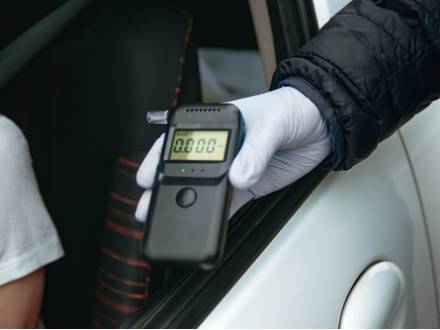 If you blew into a breathalyzer and got a result that does not reflect how much you actually had to drink, you are not alone. Breath tests are treated as powerful evidence in DUI cases, but they are not perfect. Several medical conditions, medications, foods, and equipment problems can produce a result that shows alcohol when little or none is actually present. If you are facing a DUI charge in 2026 based on a breath test result you believe was wrong, our Montgomery County DUI defense lawyers can review your case and help you understand whether the result can be challenged.
Under Maryland Transportation Code Section 16-205.2, the preliminary breath test officers use on the roadside is not admissible as evidence in court. It is only used to help the officer decide whether to make an arrest. The evidentiary breath test given at the police station is a different matter. Under Maryland Courts and Judicial Proceedings Section 10-309, those results are admissible in court and can be used against you. But admissible does not mean unbeatable. That result can still be challenged.
How Do I Fight an Online Solicitation of a Minor Charge in Maryland?
 Facing a charge of online solicitation of a minor is one of the most frightening things a person can go through. The stakes are high, and the stigma alone can feel overwhelming before you even get the chance to tell your side of the story. However, being charged is not the same as being convicted. There are real ways to fight this kind of charge. If you are facing charges in 2026, our Silver Spring, MD sex crimes defense lawyers can help you understand what the state has to prove, where the case may be weak, and how to build the strongest possible defense.
What Is Online Solicitation of a Minor Under Maryland Law?
Maryland law makes it a crime to knowingly solicit a minor, or a law enforcement officer posing as a minor, for certain unlawful sexual activity. Solicitation can happen through a computer, the Internet, phone, mail, in person, or other means. Under Maryland Code, Criminal Law § 3-324,it is a crime to knowingly solicit, coax, or entice a minor, or someone believed to be a minor, to engage in certain unlawful sexual conduct. Physical contact does not have to happen. A conversation, a series of messages, or even a single message can be enough for the state to bring a charge.








For a free consultation, call 301-589-9500 or fill out the form below:
The Law Offices of Gerstenfield & Demirji, PC.
8720 Georgia Ave., Suite 301
Silver Spring, Maryland 20910
301-589-9500



